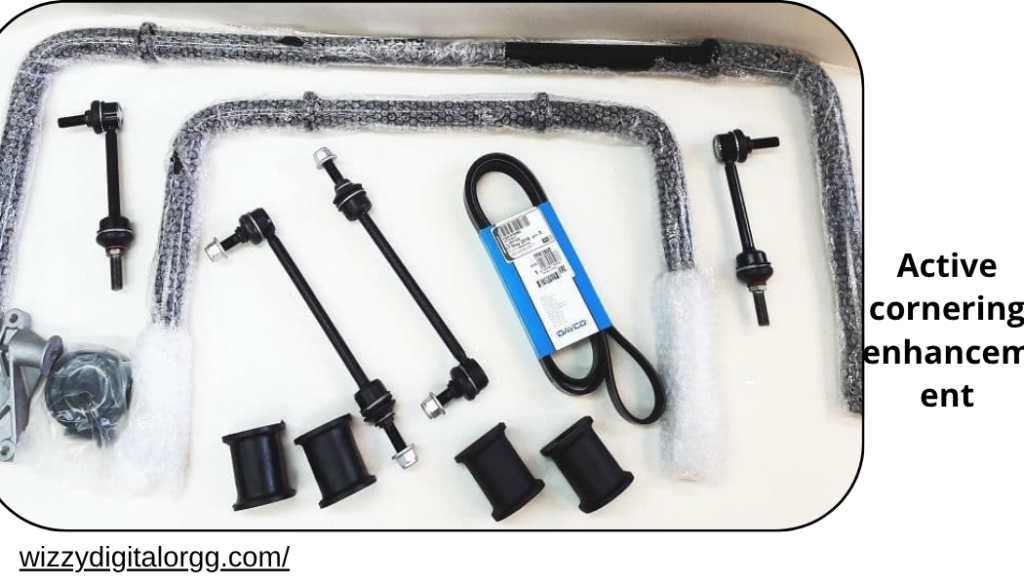
Modern vehicles are expected to deliver more than just speed and comfort. Drivers also demand excellent stability, precise handling, improved safety, and greater confidence when navigating curves, sharp turns, uneven roads, or emergency maneuvers. To meet these expectations, automotive manufacturers have developed advanced suspension and stability technologies that continuously adapt to changing driving conditions. One of the most innovative of these technologies is active cornering enhancement.
Active cornering enhancement (ACE) is an advanced vehicle dynamics system designed to improve handling, reduce body roll, and enhance stability while cornering. Unlike conventional suspension systems that rely mainly on fixed mechanical components, active cornering enhancement uses sensors, electronic controls, and hydraulic or electromechanical actuators to actively adjust suspension behavior in real time. The system constantly monitors steering angle, vehicle speed, lateral acceleration, and road conditions, making rapid adjustments that help keep the vehicle balanced during turns.
The primary goal of active cornering enhancement is to provide better control without sacrificing ride comfort. During cornering, a vehicle naturally leans toward the outside of the turn because of centrifugal forces. Excessive body roll can reduce tire contact with the road, decrease driver confidence, and affect overall handling. Active cornering enhancement minimizes this body movement, allowing the vehicle to remain more stable while maintaining optimal traction.
Although active cornering enhancement first gained attention in premium sport utility vehicles and luxury automobiles, the technology has become increasingly important across the automotive industry. It complements other advanced driver assistance systems such as Electronic Stability Control (ESC), Anti-lock Braking Systems (ABS), adaptive suspension, and traction control to create a safer and more responsive driving experience.
As electric vehicles, autonomous driving technologies, and intelligent vehicle platforms continue to evolve, active cornering enhancement is becoming an essential component of modern automotive engineering. This guide explains everything you need to know about active cornering enhancement, including how it works, its core components, benefits, applications, maintenance requirements, and why it represents a major advancement in vehicle safety and performance.
What Is Active Cornering Enhancement?
Active cornering enhancement is a vehicle control system that actively manages suspension forces to improve stability and reduce body roll during turns.
Instead of allowing the suspension to react passively, the system continuously adjusts suspension behavior based on real-time driving conditions.
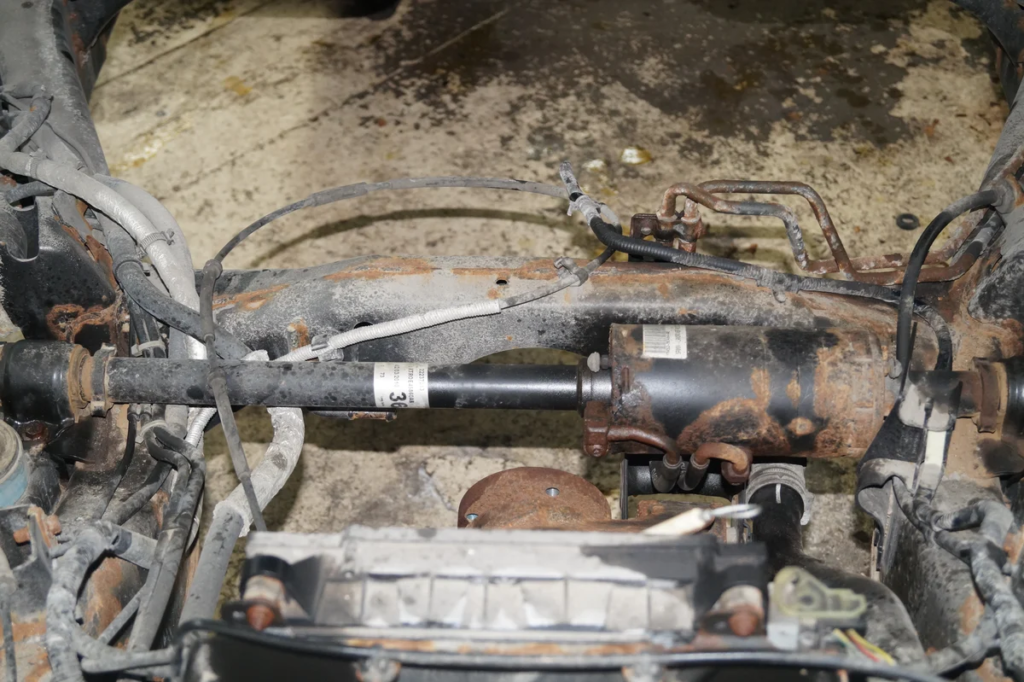
Its primary objectives include:
- Improving vehicle stability
- Reducing body roll
- Increasing tire grip
- Enhancing steering response
- Improving passenger comfort
- Increasing driver confidence
The system operates automatically without requiring driver intervention.
Why Active Cornering Enhancement Is Important
Cornering places significant stress on a vehicle.
As the vehicle enters a turn, weight shifts toward the outside wheels.
Without proper control, excessive body roll can lead to:
- Reduced stability
- Less precise steering
- Lower passenger comfort
- Increased tire wear
- Reduced traction
Active cornering enhancement minimizes these effects by dynamically balancing the vehicle.
How Active Cornering Enhancement Works
The system relies on continuous monitoring and rapid adjustment.
Step 1: Sensor Monitoring
Numerous sensors collect information about vehicle movement.
Typical inputs include:
- Steering angle
- Vehicle speed
- Wheel speed
- Lateral acceleration
- Yaw rate
- Suspension movement
These sensors continuously transmit data to the vehicle’s control unit.
Step 2: Electronic Analysis
An electronic control module analyzes incoming information thousands of times per second.
The software predicts how the vehicle will behave during the turn.
Step 3: Suspension Adjustment
Hydraulic or electric actuators immediately adjust suspension forces.
The adjustments reduce body roll while maintaining ride comfort.
Step 4: Continuous Optimization
The process repeats continuously throughout the drive.
Every corner receives real-time suspension optimization.
History of Active Cornering Enhancement
Early vehicles relied entirely on mechanical suspension systems.
While effective for basic driving, they offered limited adaptability.
As electronics improved during the late twentieth century, manufacturers introduced electronically controlled suspension systems.
These developments eventually led to advanced technologies such as active cornering enhancement.
Modern systems now combine mechanical engineering with powerful computing to improve both safety and comfort.
Main Components of Active Cornering Enhancement
Several advanced components work together.
Electronic Control Unit (ECU)
The ECU serves as the system’s brain.
It receives sensor data and calculates necessary suspension adjustments.
Hydraulic or Electric Actuators
These components physically adjust suspension forces.
Modern electric actuators provide faster response and improved efficiency.
Steering Angle Sensor
This sensor detects how sharply the driver turns the steering wheel.
The system anticipates upcoming cornering forces.
Yaw Rate Sensor
Yaw rate measures how quickly the vehicle rotates during turns.
This information improves stability calculations.
Lateral Acceleration Sensor
This sensor measures side-to-side forces experienced during cornering.
Greater lateral acceleration usually requires stronger corrective action.
How Active Cornering Enhancement Reduces Body Roll
Body roll occurs because weight naturally shifts during cornering.
Without correction, the vehicle leans toward the outside of the turn.
Active cornering enhancement counteracts this movement.
The system increases support on one side of the suspension while reducing it on the other.
The result is a flatter, more controlled ride.
Benefits of Active Cornering Enhancement
Drivers experience numerous advantages.
Improved Vehicle Stability
The system keeps the vehicle balanced during aggressive turns.
Stability improves significantly.
Better Steering Precision
Reduced body movement allows steering inputs to produce more predictable vehicle responses.
Enhanced Passenger Comfort
Passengers experience less side-to-side movement.
Long journeys become more comfortable.
Improved Tire Contact
Keeping tires firmly connected to the road improves grip.
Better traction supports safer driving.
Greater Driver Confidence
Vehicles feel more controlled during challenging road conditions.
Drivers often experience less fatigue.
Active Cornering Enhancement Versus Traditional Suspension
Traditional suspension relies primarily on fixed springs and shock absorbers.
While reliable, these components cannot adapt instantly to changing road conditions.
Active cornering enhancement differs by continuously adjusting suspension performance.
| Feature | Traditional Suspension | Active Cornering Enhancement |
| Real-time adjustment | No | Yes |
| Body roll reduction | Limited | Excellent |
| Steering response | Standard | Improved |
| Passenger comfort | Moderate | Higher |
| Vehicle stability | Good | Excellent |
Driving Situations Where Active Cornering Enhancement Excels
The technology performs especially well during:
- Sharp highway curves
- Mountain roads
- Emergency lane changes
- High-speed cornering
- Wet road conditions
- Uneven pavement
Each situation benefits from improved suspension control.
Applications Across Different Vehicle Types
Active cornering enhancement is no longer limited to luxury vehicles.
It increasingly appears in:
Luxury Sedans
Comfort and handling improve simultaneously.
Sport Utility Vehicles (SUVs)
Reducing body roll significantly improves SUV stability because of their higher center of gravity.
Performance Cars
Precise handling enhances overall driving dynamics.
Electric Vehicles
Battery weight distribution makes intelligent suspension control increasingly valuable.
Commercial Vehicles
Certain premium commercial vehicles also benefit from improved stability.
Relationship with Driver Safety
Vehicle stability directly influences accident prevention.
Active cornering enhancement supports safer driving by helping maintain better control during sudden steering maneuvers.
Although it cannot eliminate every driving risk, it provides valuable assistance in difficult conditions.
Maintenance of Active Cornering Enhancement Systems
Proper maintenance ensures long-term reliability.
Recommended maintenance includes:
- Regular suspension inspections
- Checking hydraulic components
- Monitoring electronic sensors
- Inspecting control modules
- Updating vehicle software when recommended
- Following manufacturer service schedules
Preventive maintenance reduces repair costs while maintaining optimal performance.
Common Signs That Maintenance May Be Needed
Drivers should watch for:
- Excessive body roll
- Suspension warning lights
- Uneven ride height
- Reduced handling performance
- Unusual suspension noises
Early diagnosis often prevents more expensive repairs.
Why Active Cornering Enhancement Is Becoming More Important
Modern vehicles continue becoming faster, heavier, and more technologically advanced.
At the same time, drivers expect greater comfort, improved handling, and higher safety standards.
Active cornering enhancement helps meet these expectations by intelligently balancing stability and ride quality. Instead of forcing drivers to choose between comfort and performance, the system delivers both through real-time suspension control.
As automotive engineering continues advancing, active cornering enhancement is expected to become an increasingly common feature in next-generation vehicles, supporting safer, smoother, and more confident driving experiences.
Active Cornering Enhancement and Modern Vehicle Safety Systems
Modern vehicles no longer rely on a single safety feature. Instead, multiple intelligent systems work together to improve stability, traction, braking, and steering. Active cornering enhancement is most effective when integrated with these technologies, creating a complete vehicle dynamics system.
Some of the most common systems that work alongside active cornering enhancement include:
- Anti-lock Braking System (ABS)
- Electronic Stability Control (ESC)
- Traction Control System (TCS)
- Adaptive Suspension
- Electronic Power Steering
- Torque Vectoring
Together, these technologies help drivers maintain better control during difficult driving situations.
Integration with Anti-lock Braking System (ABS)
The Anti-lock Braking System prevents the wheels from locking during heavy braking.
When combined with active cornering enhancement, the vehicle benefits from:
- Better braking stability
- Improved steering control
- Reduced skidding
- Shorter stopping distances on certain road surfaces
The two systems continuously exchange information to optimize vehicle performance.
Electronic Stability Control (ESC) and Active Cornering Enhancement
Electronic Stability Control monitors vehicle direction and compares it with the driver’s steering input.
If the vehicle begins losing stability, ESC automatically applies braking to individual wheels.
Active cornering enhancement complements this process by minimizing body roll before instability becomes severe.
Together they provide:
- Better cornering control
- Reduced rollover risk
- Greater confidence during emergency maneuvers
Adaptive Suspension Systems
Adaptive suspension adjusts shock absorbers according to road conditions.
While adaptive suspension primarily focuses on ride quality, active cornering enhancement specifically targets body roll during turns.
Working together they provide:
- Smooth ride quality
- Improved handling
- Better stability
- Increased passenger comfort
Torque Vectoring
Some high-performance vehicles use torque vectoring.
Instead of sending equal power to both wheels, torque vectoring distributes engine power intelligently.
Combined with active cornering enhancement, benefits include:
- Sharper cornering
- Better traction
- Faster steering response
- Improved acceleration through turns
This technology is especially useful in sports cars and performance SUVs.
Advantages of Active Cornering Enhancement
The technology offers numerous practical benefits.
Improved Safety
Reducing excessive body roll helps drivers maintain control during sudden steering movements.
Better Passenger Comfort
Passengers experience less leaning while traveling around curves.
Long-distance travel becomes more comfortable.
Enhanced Tire Performance
Keeping tires firmly connected to the road improves grip and promotes more even tire wear.
Greater Driving Confidence
Drivers often feel more secure when navigating winding roads or changing lanes at highway speeds.
Improved Vehicle Balance
The vehicle remains more level during cornering, improving overall handling characteristics.
Limitations of Active Cornering Enhancement
Although highly effective, no technology is perfect.
Drivers should understand its limitations.
Higher Cost
Vehicles equipped with advanced suspension technologies generally cost more.
Repair expenses may also be higher.
System Complexity
Active cornering enhancement contains numerous sensors, actuators, and electronic control modules.
Proper maintenance requires specialized diagnostic equipment.
Cannot Overcome Physical Limits
Even the best stability systems cannot overcome unsafe driving behavior.
Excessive speed or poor road conditions can still lead to accidents.
Safe driving remains essential.
Common Problems and Troubleshooting
Like any automotive technology, active cornering enhancement may occasionally develop faults.
Common issues include:
Sensor Failure
Faulty steering angle, yaw rate, or acceleration sensors may reduce system performance.
Hydraulic Leaks
Hydraulic systems require proper fluid pressure.
Leaks can reduce effectiveness.
Electronic Control Module Issues
Software or hardware faults may trigger warning lights.
Professional diagnostics are usually required.
Suspension Wear
Damaged suspension components may reduce the system’s ability to control body movement.
Regular inspections help identify problems early.
Maintenance Tips
Owners can improve system reliability by following several maintenance practices.
Recommended steps include:
- Follow manufacturer service schedules.
- Inspect suspension components regularly.
- Replace worn bushings when necessary.
- Maintain proper tire pressure.
- Rotate tires according to recommendations.
- Keep vehicle software updated.
- Address warning lights immediately.
Preventive maintenance improves long-term reliability.
Active Cornering Enhancement in Electric Vehicles
Electric vehicles continue gaining popularity.
Because battery packs increase vehicle weight, suspension control becomes even more important.
Active cornering enhancement helps electric vehicles by:
- Improving weight distribution during turns
- Reducing body roll
- Increasing passenger comfort
- Supporting better tire grip
- Enhancing driving confidence
Many future EV platforms are expected to include advanced suspension management systems.
Artificial Intelligence and Future Suspension Systems
Artificial intelligence is transforming automotive technology.
Future active cornering enhancement systems may use AI to analyze:
- Driver behavior
- Road conditions
- Weather
- Traffic patterns
- Vehicle loading
Instead of simply reacting, AI could predict upcoming driving conditions and prepare suspension settings in advance.
This predictive capability may further improve comfort and safety.
Autonomous Vehicles and Active Cornering Enhancement
Self-driving vehicles require exceptional ride stability.
Passengers may work, read, or relax instead of focusing on driving.
Active cornering enhancement supports autonomous vehicles by:
- Reducing sudden body movement
- Improving ride comfort
- Maintaining vehicle balance
- Increasing passenger confidence
Smooth handling becomes even more important when occupants are not actively controlling the vehicle.
Environmental Benefits
Although primarily designed for handling and safety, active cornering enhancement may also provide environmental advantages.
Better suspension control can contribute to:
- Improved tire life
- Reduced mechanical wear
- Greater vehicle efficiency
- Lower maintenance requirements
These benefits indirectly support sustainable transportation.
Buying a Vehicle with Active Cornering Enhancement
When evaluating a vehicle equipped with active cornering enhancement, buyers should consider:
- Manufacturer reputation
- Warranty coverage
- Maintenance requirements
- Service availability
- Replacement part costs
- Integration with other safety technologies
Understanding these factors helps buyers make informed decisions.
Expert Insights
Automotive engineers increasingly view active cornering enhancement as an important part of modern vehicle dynamics rather than a luxury feature.
Its greatest strength is not simply reducing body roll but continuously optimizing vehicle balance under changing driving conditions.
When combined with systems such as ESC, ABS, adaptive suspension, and torque vectoring, active cornering enhancement contributes to a more predictable and confident driving experience.
As vehicles become more intelligent, connected, and electrified, suspension technologies will play an even greater role in improving safety, efficiency, and passenger comfort.
Future Trends
Several innovations are expected to shape the next generation of active cornering enhancement.
Future developments may include:
- AI-powered predictive suspension control
- Fully electric active stabilizer systems
- Cloud-connected vehicle diagnostics
- Real-time road surface analysis
- Integration with autonomous driving platforms
- Lightweight suspension materials
- Enhanced energy efficiency
These technologies will continue improving both vehicle safety and driving enjoyment.
Conclusion
Active cornering enhancement represents one of the most significant advancements in modern automotive suspension technology. By actively controlling body roll and continuously adjusting suspension behavior during cornering, the system improves vehicle stability, steering precision, passenger comfort, and overall driving confidence. Unlike traditional suspension systems that rely solely on fixed mechanical components, active cornering enhancement responds instantly to changing road conditions, vehicle speed, steering input, and lateral forces.
Its value extends far beyond performance driving. Luxury vehicles, SUVs, electric vehicles, and even some commercial applications benefit from the improved balance and safety that active cornering enhancement provides. When integrated with technologies such as Electronic Stability Control (ESC), Anti-lock Braking Systems (ABS), adaptive suspension, and torque vectoring, it forms part of a comprehensive vehicle dynamics system that helps drivers maintain better control in everyday driving as well as emergency situations.
Looking ahead, advances in artificial intelligence, predictive analytics, connected vehicles, and autonomous driving will make active cornering enhancement even more capable. Future systems will likely anticipate road conditions before the driver reaches them, providing smoother rides, greater efficiency, and even higher levels of safety. As automotive technology continues to evolve, active cornering enhancement is expected to become a standard feature in more vehicles, supporting the industry’s ongoing commitment to safer, smarter, and more comfortable transportation.
Frequently Asked Questions (FAQs)
Does active cornering enhancement improve driving in rainy weather?
Yes. While it cannot eliminate the effects of slippery roads, active cornering enhancement helps improve vehicle stability and handling during wet conditions by reducing excessive body roll and maintaining better tire contact with the road.
Can active cornering enhancement reduce tire wear?
Indirectly, yes. By improving weight distribution and maintaining more consistent tire contact during cornering, the system may contribute to more even tire wear when combined with proper maintenance and correct tire pressure.
Is active cornering enhancement available only in luxury vehicles?
No. Although it first appeared in premium models, active cornering enhancement is gradually becoming available in more SUVs, performance vehicles, electric vehicles, and other advanced passenger cars.
Does active cornering enhancement require regular maintenance?
The system itself generally requires little routine maintenance, but its sensors, suspension components, hydraulic or electric actuators, and electronic control systems should be inspected during scheduled vehicle servicing.
Can active cornering enhancement prevent every rollover or accident?
No. Active cornering enhancement significantly improves stability and handling, but it cannot overcome the laws of physics or compensate for excessive speed, dangerous road conditions, or reckless driving. Safe driving habits remain essential.