
A healthy smile is one of the most valuable assets a person can have. It improves appearance, boosts confidence, supports overall health, and leaves a positive first impression in both personal and professional situations. While many people focus only on whitening their teeth, true oral health involves much more than appearance. Strong teeth, healthy gums, fresh breath, and proper dental habits all work together to create a smile that lasts for years. This is where brasssmile comes into the picture.
BrassSmile focuses on helping individuals improve their oral appearance while maintaining excellent dental health through effective daily care, preventive practices, and modern dental solutions. Rather than promoting quick cosmetic fixes alone, the concept encourages a balanced approach that combines good hygiene, healthy lifestyle choices, regular dental checkups, and smart treatment options when needed.
Good oral health is closely connected to overall wellness. Research continues to show links between oral hygiene and conditions such as heart disease, diabetes, respiratory infections, and gum disease. By maintaining healthy teeth and gums, people not only protect their smiles but also contribute to their long-term physical health.
Modern dentistry has evolved significantly over the past decade. Today, individuals have access to advanced technologies such as digital imaging, laser dentistry, clear aligners, minimally invasive procedures, professional whitening systems, and AI-assisted diagnostics. These innovations make it easier than ever to prevent dental problems, detect issues early, and create personalized treatment plans that improve both function and appearance.
This comprehensive guide explains everything you need to know about brasssmile, including its approach to oral care, daily dental routines, preventive strategies, cosmetic improvements, nutrition, professional treatments, and practical tips for maintaining a healthy smile throughout every stage of life. Whether your goal is healthier teeth, brighter smiles, stronger gums, or improved confidence, understanding the principles behind BrassSmile can help you make informed decisions that benefit your oral health for years to come.
What Is BrassSmile?
BrassSmile represents a modern approach to oral health that combines preventive dental care, healthy habits, and cosmetic improvements to help people maintain attractive and healthy smiles.
Instead of focusing only on appearance, BrassSmile encourages complete oral wellness by promoting:
- Healthy teeth
- Strong gums
- Fresh breath
- Proper brushing habits
- Regular dental visits
- Balanced nutrition
- Long-term prevention
The goal is to achieve a smile that is both beautiful and healthy.
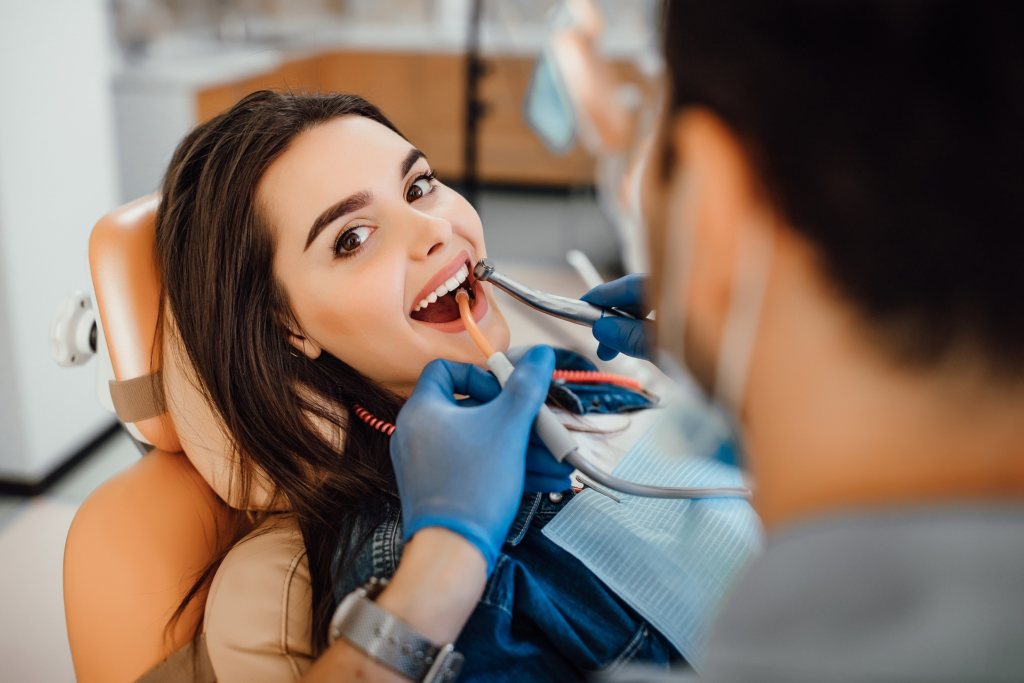
Why Oral Health Matters
Many people think dental care is only about avoiding cavities.
In reality, oral health affects the entire body.
Healthy teeth and gums support:
- Comfortable eating
- Clear speech
- Better nutrition
- Higher confidence
- Improved overall health
Poor oral hygiene may increase the risk of several health problems if left untreated.
The Core Philosophy of BrassSmile
BrassSmile encourages prevention before treatment.
Rather than waiting for dental problems to develop, it focuses on daily habits that help prevent them.
Its approach includes:
- Daily oral hygiene
- Preventive care
- Early diagnosis
- Healthy lifestyle choices
- Professional dental support
Small daily improvements often produce the biggest long-term results.
The Foundation of Daily Dental Care
Every healthy smile begins with a consistent routine.
Brushing Twice Daily
Dentists generally recommend brushing teeth every morning and before bedtime.
Brushing helps remove:
- Food particles
- Plaque
- Surface stains
- Bacteria
Using proper brushing technique is just as important as brushing frequency.
Flossing Every Day
Floss removes plaque between teeth where toothbrushes cannot easily reach.
Daily flossing helps reduce:
- Gum disease
- Tooth decay
- Bad breath
Many people notice healthier gums after developing a regular flossing habit.
Using Mouthwash
An antibacterial mouthwash may help reduce harmful bacteria while freshening breath.
Mouthwash should support—not replace—brushing and flossing.
Common Dental Problems BrassSmile Helps Prevent
Preventive care reduces the likelihood of many oral health conditions.
Tooth Decay
Cavities develop when bacteria produce acids that damage tooth enamel.
Good oral hygiene greatly lowers this risk.
Gum Disease
Healthy gums provide strong support for teeth.
Early gum disease often improves with better oral hygiene and professional cleanings.
Bad Breath
Persistent bad breath frequently results from bacteria accumulating inside the mouth.
Regular brushing, flossing, hydration, and dental care often improve breath freshness.
Plaque and Tartar
Plaque forms naturally every day.
If not removed, it hardens into tartar, which requires professional cleaning.
Benefits of Following the BrassSmile Approach
People who prioritize preventive oral care often experience numerous advantages.
Healthier Teeth
Strong enamel helps protect against decay.
Improved Gum Health
Healthy gums reduce the risk of tooth loss.
Brighter Smile
Good hygiene naturally reduces staining.
Greater Confidence
People often smile more comfortably when they feel confident about their teeth.
Lower Dental Costs
Preventive care usually costs far less than major restorative treatment.
Nutrition and Oral Health
Diet plays an important role in maintaining healthy teeth.
Certain nutrients strengthen enamel while supporting healthy gums.
Calcium
Calcium supports strong teeth and bones.
Good sources include:
- Milk
- Yogurt
- Cheese
Vitamin D
Vitamin D improves calcium absorption.
Sunlight and fortified foods are common sources.
Vitamin C
Vitamin C supports healthy gums.
Foods include:
- Oranges
- Strawberries
- Bell peppers
- Broccoli
Phosphorus
Phosphorus works together with calcium to strengthen teeth.
It is found in:
- Fish
- Eggs
- Poultry
- Nuts
Foods That Help Your Smile
Healthy dietary choices support long-term oral health.
Examples include:
- Apples
- Carrots
- Celery
- Cheese
- Yogurt
- Leafy greens
- Almonds
- Water
Crunchy fruits and vegetables also stimulate saliva production.
Foods That Can Harm Teeth
Some foods increase the risk of tooth damage.
These include:
- Sugary candy
- Soft drinks
- Sticky sweets
- Highly acidic beverages
- Frequent sugary snacks
Limiting these foods helps protect enamel.
The Importance of Hydration
Water supports oral health in several ways.
It helps:
- Wash away food particles
- Reduce bacteria
- Support saliva production
- Neutralize acids
Drinking water throughout the day benefits both teeth and gums.
Professional Dental Care
Even excellent home care cannot replace professional dental visits.
Dentists provide:
- Oral examinations
- Professional cleanings
- X-rays when necessary
- Early disease detection
- Personalized treatment recommendations
Most individuals benefit from regular preventive appointments.
Modern Dental Technologies
Dental care has advanced significantly.
Today’s technologies include:
- Digital X-rays
- Intraoral cameras
- Laser dentistry
- Digital impressions
- 3D imaging
These tools improve accuracy while increasing patient comfort.
Healthy Habits That Support BrassSmile
Daily habits influence oral health.
Helpful practices include:
- Brushing twice daily
- Flossing every day
- Drinking plenty of water
- Eating nutritious foods
- Visiting the dentist regularly
- Replacing toothbrushes every few months
Consistency is the key to lasting results.
Habits That Damage Your Smile
Certain behaviors increase the risk of dental problems.
Examples include:
Smoking
Smoking increases the risk of:
- Gum disease
- Tooth discoloration
- Bad breath
- Oral cancer
Teeth Grinding
Grinding slowly wears down tooth enamel.
Night guards may help protect teeth.
Using Teeth as Tools
Opening packages with teeth may lead to cracks or chips.
Teeth should only be used for eating.
Ignoring Dental Pain
Minor discomfort sometimes develops into major problems.
Early treatment usually prevents more extensive procedures.
Why Prevention Is Better Than Treatment
Preventive care saves both time and money.
Simple habits practiced consistently often prevent:
- Cavities
- Gum disease
- Tooth loss
- Costly dental procedures
The BrassSmile philosophy emphasizes prevention because healthy daily routines produce long-lasting results.
By investing a few minutes each day in proper oral care, individuals build healthier smiles that support overall well-being, confidence, and quality of life for many years.
Cosmetic Dentistry and the BrassSmile Approach
While good oral health is the foundation of every attractive smile, cosmetic dentistry can improve appearance when needed. The BrassSmile approach combines preventive dental care with modern cosmetic treatments to help people achieve a smile that looks natural while remaining healthy.
Popular cosmetic dental procedures include:
- Professional teeth whitening
- Dental veneers
- Tooth-colored bonding
- Dental crowns
- Clear aligners
- Dental implants
- Gum contouring
The right treatment depends on each person’s oral health, goals, and recommendations from a qualified dental professional.
Professional Teeth Whitening
Teeth naturally become stained over time because of:
- Coffee
- Tea
- Red wine
- Tobacco
- Certain foods
- Aging
Professional whitening treatments can safely remove many surface stains and brighten the smile more effectively than many over-the-counter products.
Maintaining good oral hygiene after whitening helps preserve results.
Dental Veneers
Dental veneers are thin shells placed over the front surface of teeth.
They can improve the appearance of:
- Discoloration
- Small gaps
- Minor chips
- Uneven teeth
- Worn enamel
Veneers are often selected by individuals seeking a complete smile makeover.
Dental Bonding
Bonding uses tooth-colored resin to repair minor cosmetic issues.
Dentists may recommend bonding for:
- Small chips
- Minor cracks
- Small gaps
- Tooth reshaping
The procedure is generally quick and minimally invasive.
Clear Aligners
Many adults prefer straightening their teeth without traditional metal braces.
Clear aligners gradually move teeth into better alignment while remaining nearly invisible.
Benefits include:
- Improved appearance
- Easier cleaning
- Greater comfort
- Better confidence
Dental Implants
Missing teeth affect both appearance and oral function.
Dental implants provide a long-term replacement option by placing an artificial tooth root into the jawbone.
Benefits include:
- Natural appearance
- Improved chewing
- Better speech
- Jawbone support
- Long-term durability
BrassSmile for Children
Healthy dental habits should begin early.
Children benefit from:
- Regular brushing
- Flossing assistance
- Healthy snacks
- Fluoride protection
- Routine dental visits
Parents play an important role by teaching proper oral hygiene from a young age.
BrassSmile for Teenagers
Teenagers often face unique dental challenges.
These include:
- Orthodontic treatment
- Sports-related dental injuries
- Sugary drinks
- Poor brushing habits
Encouraging consistent oral care during adolescence supports healthier adult teeth.
BrassSmile for Adults
Adult oral health involves maintaining existing teeth while preventing future problems.
Important priorities include:
- Gum health
- Regular dental examinations
- Early cavity treatment
- Professional cleaning
- Cosmetic improvements when desired
Preventive care remains the most effective long-term strategy.
BrassSmile for Older Adults
As people age, dental needs change.
Older adults may experience:
- Dry mouth
- Gum recession
- Tooth wear
- Missing teeth
- Increased sensitivity
Regular dental care helps preserve both comfort and function.
The Connection Between Oral Health and Overall Health
Research continues to demonstrate links between oral health and general wellness.
Poor oral hygiene has been associated with an increased risk of:
- Heart disease
- Diabetes complications
- Respiratory infections
- Pregnancy complications
- Chronic inflammation
Maintaining healthy teeth and gums supports the body’s overall health.
The Psychological Benefits of a Healthy Smile
A healthy smile affects much more than appearance.
People with healthy smiles often experience:
- Greater confidence
- Better self-esteem
- Improved communication
- More positive social interactions
- Stronger professional impressions
Smiling comfortably can positively influence many aspects of daily life.
Choosing the Right Dental Products
Selecting quality oral care products supports long-term dental health.
Consider using:
Toothbrush
Choose a soft-bristled toothbrush that cleans effectively without damaging gums.
Toothpaste
Use fluoride toothpaste unless otherwise recommended by your dentist.
Dental Floss
Daily floss removes plaque from areas a toothbrush cannot reach.
Mouthwash
Choose an alcohol-free antibacterial mouthwash if recommended by your dental professional.
Common Mistakes People Make
Many people unintentionally damage their teeth through poor habits.
Common mistakes include:
- Brushing too hard
- Skipping flossing
- Ignoring bleeding gums
- Delaying dental appointments
- Consuming excessive sugary drinks
- Using whitening products too frequently
Correcting these habits protects long-term oral health.
Future Trends in Modern Dentistry
Dental care continues evolving rapidly.
Future innovations may include:
- Artificial intelligence-assisted diagnosis
- 3D printed dental restorations
- Smart toothbrush technology
- Digital smile design
- Regenerative dental treatments
- Improved laser procedures
These technologies aim to make treatment faster, more accurate, and more comfortable.
The Future of the BrassSmile Philosophy
The future of BrassSmile goes beyond maintaining attractive teeth. It represents a preventive, technology-driven approach that combines education, personalized care, and modern dental innovations.
As digital dentistry continues advancing, patients will benefit from:
- Earlier disease detection
- More personalized treatment plans
- Better preventive care
- Improved cosmetic outcomes
- Greater patient comfort
The focus will continue shifting from treating disease to preventing it whenever possible.
Expert Insights
Dental professionals consistently emphasize that maintaining a beautiful smile starts with everyday habits rather than expensive cosmetic procedures.
Brushing, flossing, healthy eating, regular dental visits, and early treatment remain the most effective ways to preserve oral health.
Cosmetic dentistry can enhance appearance, but lasting results depend on maintaining healthy teeth and gums.
The BrassSmile philosophy reflects this balanced approach by combining prevention, education, and modern dental care to achieve long-term oral wellness.
Conclusion
BrassSmile represents a complete approach to achieving and maintaining excellent oral health while creating a confident, attractive smile. Rather than focusing only on cosmetic improvements, it emphasizes preventive care, healthy daily habits, balanced nutrition, regular professional dental visits, and modern treatment options that support both appearance and long-term dental wellness.
A healthy smile is built through consistent effort. Brushing twice a day, flossing daily, drinking plenty of water, limiting sugary foods, avoiding harmful habits like smoking, and visiting the dentist regularly all contribute to stronger teeth and healthier gums. These simple practices help reduce the risk of cavities, gum disease, tooth loss, and other oral health problems while improving overall quality of life.
As dental technology continues advancing with digital imaging, laser treatments, clear aligners, AI-assisted diagnostics, and minimally invasive procedures, maintaining a healthy smile is becoming easier, more comfortable, and more personalized than ever before. By following the principles of BrassSmile, individuals can protect their oral health, improve their confidence, and enjoy a bright, healthy smile for years to come.
Frequently Asked Questions (FAQs)
Can BrassSmile principles help reduce dental treatment costs?
Yes. Preventive care helps detect problems early, reducing the need for expensive restorative procedures in the future.
Is professional teeth cleaning necessary if I brush every day?
Yes. Even with excellent brushing and flossing, plaque can harden into tartar, which usually requires professional cleaning to remove.
Does stress affect oral health?
Yes. Stress may contribute to teeth grinding, jaw tension, dry mouth, and poor oral hygiene habits, all of which can negatively affect dental health.
How often should a toothbrush be replaced?
Most dental professionals recommend replacing a toothbrush or electric toothbrush head approximately every three to four months, or sooner if the bristles become worn.
Can a healthy smile improve overall quality of life?
Absolutely. Healthy teeth and gums improve eating, speaking, confidence, social interactions, and overall well-being while supporting better long-term health.